
What is HPV and Cervical Cancer?
Human papillomavirus, or HPV, is a common virus. It spreads through skin-to-skin contact, often during sexual activity. Most people get HPV at some point. Usually, it goes away on its own. However, some types of HPV can cause cervical cancer. Cervical cancer starts in the cells of the cervix, which is the lower part of the uterus. It is one of the most common cancers in women worldwide. Early prevention is key to reducing the risk.
How HPV Causes Cervical Cancer
HPV infects the cells of the cervix. Over time, certain types of HPV can cause these cells to change. If these changes are not found and treated, they can turn into cancer. In fact, almost all cases of cervical cancer are linked to HPV infection. Because of this, stopping HPV infection is very important for cervical cancer prevention.
The Role of HPV Vaccination in Prevention
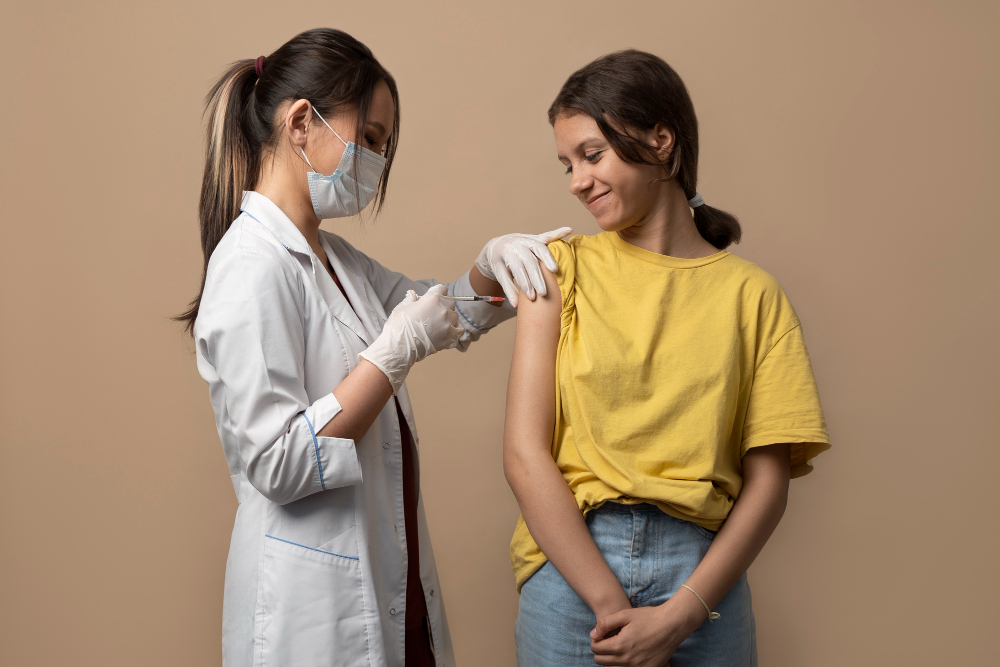
HPV vaccination in preventing cervical cancer is a proven method. The vaccine protects against the most common cancer-causing types of HPV. When given before exposure to the virus, it can stop most cases of cervical cancer from ever starting. The World Health Organization and CDC both recommend HPV vaccination for this reason. Many countries now include it in their routine vaccination programs.
Benefits and Safety of HPV Vaccines
HPV vaccine benefits are clear and well-studied. Here are some key points:
Additionally, HPV vaccine safety is well established. Millions of doses have been given worldwide. Side effects are usually mild, such as a sore arm or mild fever. Serious side effects are very rare. Health experts agree that the benefits far outweigh the risks.
Who Should Get the HPV Vaccine?
Most experts recommend HPV vaccination for preteens, usually at ages 11 or 12. However, it can be given as early as age 9. Teens and young adults up to age 26 can also get the vaccine if they missed it earlier. In some cases, adults up to age 45 may benefit. But, it is best to talk to a healthcare provider for advice. Both girls and boys should get the vaccine for full protection.
Common Myths and Facts
There are many myths about HPV vaccination. Let’s look at the facts:
How to Access HPV Vaccination
HPV vaccines are available in many clinics, hospitals, and health centers. In some countries, schools offer the vaccine as part of routine programs. You can ask your doctor or local health department about where to get vaccinated. In urban areas, access is often easier, but rural clinics may also provide the vaccine. Check with your healthcare provider for the best options in your area.
Prevention Tips and Lifestyle Guidance
Besides HPV vaccination, you can take other steps to prevent cervical cancer:
However, vaccination remains the most effective way to prevent HPV-related cervical cancer.
Conclusion and Next Steps
In summary, HPV vaccination in preventing cervical cancer is a safe and powerful tool. It saves lives and protects future generations. If you or your loved ones are eligible, do not wait. Consult a healthcare provider to learn more about HPV vaccination and protect your health.