
Introduction
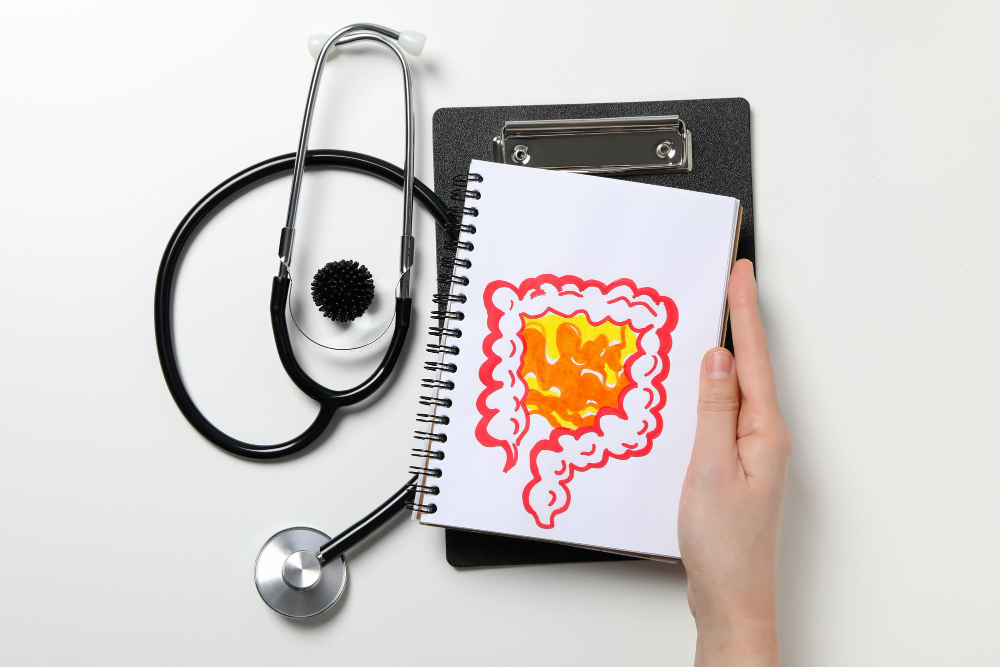
Colon cancer is a type of cancer that starts in the large intestine. It is one of the most common cancers worldwide. Each year, thousands of people are diagnosed with colon cancer. However, preventing colon cancer is possible with regular screenings and healthy habits. Early detection of colon cancer can save lives. In this blog, you will learn about colon cancer prevention, screening guidelines, and helpful tips to stay healthy.
Why Colon Cancer Prevention Matters
Colon cancer can develop without clear symptoms at first. Because of this, many people do not know they have it until it is advanced. But, when found early, colon cancer is much easier to treat. According to the CDC, regular screenings can lower your risk of dying from colon cancer. Therefore, taking steps for prevention is very important for your long-term health.
Key Risk Factors
Some people have a higher risk of colon cancer. Knowing these risk factors can help you take action sooner. For example, you may be at higher risk if you:
Even if you have risk factors, you can still lower your chances by making healthy choices and following colon cancer screening guidelines.
Essential Colon Cancer Screenings
Screenings are tests that check for signs of colon cancer before you have symptoms. In the United States, experts recommend starting regular screenings at age 45 for most people. However, you may need to start earlier if you have higher risk.
There are several types of colon cancer screenings:
Talk to your doctor about which test is best for you. They will help you follow the right colon cancer screening guidelines based on your age and risk.
How Screenings Prevent Colon Cancer
Screenings can find colon cancer early, when it is easier to treat. In many cases, screenings also find small growths called polyps. These polyps can turn into cancer over time. But, doctors can remove them during a screening, which helps prevent colon cancer from starting. Because of this, regular screenings are a key part of how to prevent colon cancer.
Lifestyle Tips for Prevention
Besides screenings, healthy habits can lower your risk. For example, you can:
Making these changes can support colon cancer prevention and improve your overall health.
When to Consult a Doctor
It is important to talk to your doctor about colon cancer screening, especially if you have risk factors. Also, see your doctor if you notice symptoms like:
Even if you feel healthy, regular check-ups and screenings are important for early detection of colon cancer.
Conclusion and Call-to-Action
In summary, preventing colon cancer is possible with regular screenings and healthy habits. Early detection of colon cancer can save lives. Do not wait for symptoms to appear. Consult a healthcare specialist to discuss your colon cancer screening options and personalized prevention plan.